Paddles Up: How Gen Z Is Blowing Up the Old Playbook on What It Means to Be an Athlete
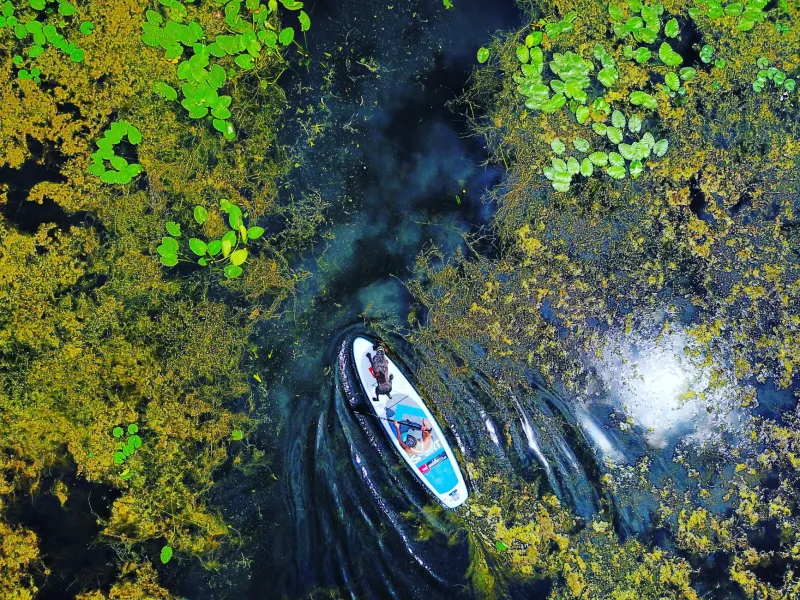
There's a moment that keeps playing out on lakes, coastlines, and rivers across the country. A teenager hops off a paddleboard, pulls out their phone, and immediately starts reviewing the footage their friend just shot from shore. They're not checking the score. There's no coach waiting on the sideline. They're just... staking their claim on a sport that belongs entirely to them.
This is the Gen Z athletic experience, and it looks nothing like what came before it.
The Quiet Exit From the Gym and the Field
For decades, the American vision of youth athletics ran on a pretty predictable track: youth leagues, high school varsity squads, maybe a college scholarship if you were really good. Sports were organized, scheduled, and measured against other people. Winning meant something specific.
Gen Z — broadly defined as those born between 1997 and 2012 — grew up watching that model crack. Youth sports participation in traditional team athletics has been declining for years, with the Aspen Institute's Project Play reporting that millions of kids drop out of organized sports by age 13 and never come back. The reasons are layered: cost, burnout, pressure, and a growing sense that the old structure just doesn't fit.
What's filling the gap? Look to the water.
Paddleboarding, wakesurfing, kayaking, surfing, foiling — these sports have seen explosive growth among younger Americans over the past five years. The Outdoor Industry Association has consistently flagged water sports as among the fastest-growing outdoor activities in the country, with younger demographics leading the charge. And this isn't just a numbers story. It's a values story.
Identity First, Competition Second
Here's the thing that separates Gen Z's relationship with water sports from every generation before them: they're not doing it to win. They're doing it to be something.
Ask a 22-year-old why they wake surf three times a week and you're unlikely to hear anything about rankings or records. You're more likely to hear about freedom. About how the water doesn't care who you are on land. About how landing a new trick or finally reading a wave correctly hits different than any trophy ever could.
Sports psychologists have a term for this shift — intrinsic motivation — and research consistently shows it produces more sustainable athletic behavior than external rewards like trophies or social status. Gen Z didn't read the research. They just lived it.
Water sports, by their very nature, feed that intrinsic drive. There are no referees on a paddleboard. No one's keeping score when you're navigating a river rapid. Progress is personal, visible, and deeply satisfying in a way that doesn't require anyone else's validation.
Except, of course, when it does.
The TikTok Tide
It would be dishonest to talk about Gen Z and water sports without talking about social media, because the two are inseparable. Platforms like TikTok and Instagram didn't just document this generation's relationship with water — they actively created it.
A well-edited clip of someone gliding across a glassy lake on a foil board, seemingly hovering above the water's surface, can rack up millions of views overnight. That kind of reach does something that no sports recruitment pamphlet ever could: it makes the sport look attainable. Aspirational but not impossibly elite. Cool but not exclusive.
Influencers in the water sports space have become genuine tastemakers. Creators who document their progression from total beginner to competent paddleboarder or wakeboarder build audiences not because they're the best in the world, but because they make the journey feel real and relatable. When someone in Omaha watches a creator in San Diego learn to surf over the course of six months, they're not just watching a sport — they're watching a permission slip.
And participation rates reflect it. Paddleboard sales have surged. Kayak rentals at inland lakes are booked out on weekends in states you'd never associate with water culture. Wakesurfing — once a niche within a niche — now has a legitimate youth following in landlocked parts of the Midwest, driven almost entirely by social media visibility.
Democratizing the Lineup
One of the most interesting things about this shift is how it's reshaping who gets to call themselves a water sports athlete.
Traditional surfing culture, for all its appeal, has historically carried some pretty heavy gatekeeping energy. Localism at breaks, expensive equipment, and the steep learning curve of ocean surfing all created barriers that kept participation concentrated in specific coastal demographics.
Gen Z is dismantling that, partly through geography and partly through attitude. Inland water sports like wakesurfing and flatwater paddleboarding don't require an ocean. They don't require a perfect swell or a specific zip code. They require access to water — and in a country covered in lakes, rivers, and reservoirs, that bar is much lower than it used to be.
Social media has further flattened the hierarchy. When everyone's progression is documented and shared, the sport belongs to the person who shows up, not just the one who was born near the right break.
What This Means for the Future of Athletic Culture
The ripple effects of this generational shift are still spreading outward. Brands are scrambling to catch up, pivoting away from performance-obsessed marketing toward lifestyle-forward campaigns that speak to identity and experience. Gear companies are investing in beginner-friendly equipment. Destinations are building out water sports infrastructure to attract younger visitors.
But beyond the commercial implications, something more fundamental is changing. Gen Z is quietly redefining what it means to be an athlete in America. The old definition — competitive, team-oriented, externally validated — is giving way to something more personal. More fluid. Something that looks a lot like a kid on a paddleboard at sunrise, not racing anyone, not performing for anyone, just moving through the water on their own terms.
At TreadWater TV, that's a story we can get behind. Because if there's one thing the water has always been good at, it's making its own rules.
The wave doesn't care what sport you played in high school. It just asks whether you're ready to ride.