Skip the Crowds: Five American Lakes That Should Be on Every Water Sports Bucket List
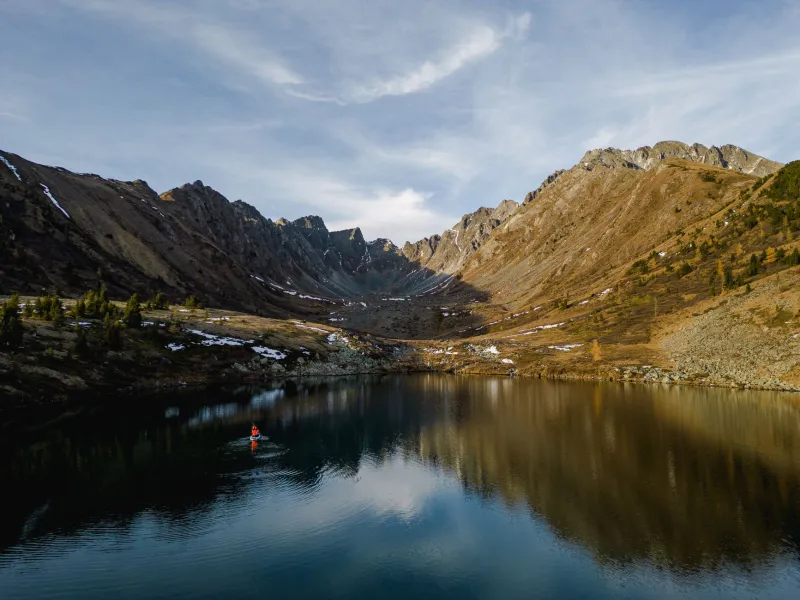
Every summer, the same conversation happens. Someone mentions a lake trip and the first name out of everyone's mouth is Lake Tahoe. And look — Tahoe is legitimately incredible. We're not here to take anything away from it.
But when you're spending forty-five minutes circling a parking lot, paying resort prices for a kayak rental, and sharing a swim buoy with three hundred strangers, it's worth asking: is this actually the experience you came for?
The good news is that the United States is absolutely loaded with freshwater gems that most people drive right past on the way to the famous spots. These lakes have the goods — clear water, great wind, navigable rivers feeding in, local outfitters who actually know the terrain — without the circus. Here's where to point your rig this summer.
Lake George, New York — The Queen of American Lakes (Without the Paparazzi)
Thomas Jefferson called it "the most beautiful water I ever saw." He wasn't wrong, and somehow, in the 200-plus years since, Lake George in the Adirondacks has managed to stay relatively under the national radar.
Stretching 32 miles through the eastern Adirondacks, Lake George offers exceptional conditions for kayaking, stand-up paddleboarding, and sailing. The water is famously clear — visibility can reach 20 feet on a calm day — and the 170-plus islands scattered throughout the lake make for genuinely exploratory paddling. You can camp on several of them with a New York State permit, which opens up the kind of multi-day water adventure that's nearly impossible to pull off at more developed destinations.
Best for: Kayaking, sailing, island-hopping SUP tours Peak season: July through early September Insider tip: Launch from Mossy Point Boat Launch on the southern end to avoid the busier village marinas. Local outfitter Adirondack Canoe and Kayak runs guided tours that hit spots most visitors never find.
Flathead Lake, Montana — Big Sky, Bigger Water
At roughly 28 miles long and 15 miles wide, Flathead Lake is the largest natural freshwater lake in the western US outside of Alaska. It sits in the shadow of the Mission Mountains in northwest Montana, and the scenery is the kind that makes you feel like you wandered into a screensaver.
For water sports, Flathead punches well above its fame level. The lake sees reliable afternoon winds that make it a legitimate sailing and windsurfing destination. The western shore has calmer, protected bays ideal for beginner paddleboarders and kayakers, while the open central lake gives experienced sailors and kitesurfers plenty of room to open things up.
The surrounding area also feeds into the Flathead River system, which offers whitewater kayaking options ranging from mellow Class II floats to more technical runs near the headwaters.
Best for: Sailing, windsurfing, kayaking, river paddling Peak season: Mid-June through August Insider tip: The town of Polson on the southern tip has the best outfitter infrastructure. Avoid holiday weekends if you can — that's when the powerboat crowd shows up in force.
Crater Lake, Oregon — The Deepest Blue You'll Ever Paddle
Okay, full transparency: Crater Lake requires some planning. Motor boats are prohibited entirely, and access to the water involves a steep 700-foot trail down to the shoreline. But that's also exactly why it's on this list.
At 1,943 feet deep, Crater Lake is the deepest lake in the US, and the water clarity is almost surreal — visibility can exceed 100 feet. The blue is so saturated it looks digitally enhanced. Paddling on Crater Lake is one of the more otherworldly experiences available in American outdoor recreation, full stop.
Non-motorized watercraft are allowed, and kayaking here feels genuinely remote even though you're in a national park. Wizard Island, the volcanic cinder cone rising from the middle of the lake, is accessible by a concession-run boat tour, but paddling to it on your own is the move if you're fit enough for the approach.
Best for: Advanced kayaking, photography, bucket-list paddling Peak season: Late July through September (the trail and lake access can be snow-covered before then) Insider tip: Rim Village Cafe rents kayaks seasonally. Arrive at the trailhead by 7 a.m. to beat the heat on the climb back up.
Lake Ouachita, Arkansas — The South's Best-Kept Secret
Most people don't think of Arkansas when they think about water sports destinations. That's a mistake, and locals are not exactly rushing to correct it.
Lake Ouachita in the Ouachita National Forest is consistently rated among the clearest lakes in the entire South, with water quality that rivals much more celebrated destinations. It's also massive — over 40,000 acres — with 975 miles of shoreline, dozens of secluded coves, and almost no crowds outside of July 4th weekend.
The calm, warm water makes it ideal for beginners learning to paddleboard or kayak, and the protected coves provide safe conditions even on windier days. For more experienced paddlers, the lake's sheer size allows for multi-day island camping expeditions. There's also excellent wakeboarding and waterskiing in the open sections.
Best for: SUP, kayaking, wakeboarding, beginner water sports Peak season: May through September Insider tip: Mountain Harbor Resort on the eastern shore offers rentals, instruction, and lakefront cabins. The staff genuinely knows the water and will point you toward whatever conditions match your skill level.
Lake Minnewaska, Minnesota — Ten Thousand Lakes, One That Stands Out
Minnesota's state motto isn't exaggerating — there really are roughly 10,000 lakes. The challenge is knowing which one to choose. Lake Minnewaska, near Alexandria in the central part of the state, earns its spot here for a specific combination of clear water, consistent wind, and an unusually developed local water sports culture.
Alexandria has quietly built a reputation as a Midwest hub for competitive sailing and paddlesports, which means the infrastructure is there — good rentals, real instruction, well-maintained launches. The lake's open fetch and reliable summer winds make it a legitimate training ground for sailors and windsurfers who'd otherwise have to travel much farther.
For families or beginners, the shallower bays on the northern end are calm and forgiving, while the main basin gives more experienced athletes room to push.
Best for: Sailing, windsurfing, family-friendly SUP and kayaking Peak season: June through August Insider tip: The Alexandria Lakes Area Chamber of Commerce website keeps an updated list of local outfitters and guided tour operators — it's more useful than most tourism sites.
The common thread across all five of these spots? You'll actually be able to hear yourself think. And your paddle. And the water. That's the whole point, isn't it?