Landlocked and Unstoppable: The Ex-Athletes Turning Middle America Into a Water Sports Hub
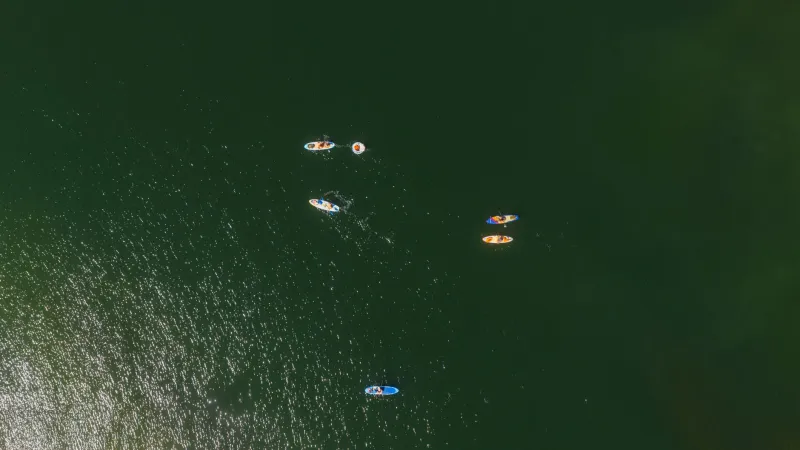
There's a lake in central Kansas that doesn't show up on any surf map. It's not featured in glossy adventure magazines. It doesn't have a trendy hashtag. But on a Saturday morning in late summer, you'll find two dozen people — teenagers, retirees, a few veterans, a handful of first-timers — learning to stand-up paddleboard under the guidance of a guy who used to compete in collegiate swimming at a Division I school. He traded a coaching gig at a university aquatics program for this. A folding table, a rack of loaner boards, and a whole lot of sunscreen.
He's not alone.
Across the country's interior — from the Ozarks to the high plains of Colorado, from Iowa's reservoir towns to the river corridors cutting through Tennessee and Missouri — a quiet revolution is happening. Former athletes are walking away from conventional paths and building something unexpected: grassroots water sports communities in places that most people wouldn't even associate with the sport.
Why They Left the Traditional Lane
For a lot of these organizers, the pivot wasn't dramatic. It was slow, then sudden — the way most meaningful life changes tend to work.
Many spent years inside traditional athletic structures: college swim programs, competitive kayaking circuits, collegiate rowing. They understood performance. They understood coaching. But somewhere along the way, they started noticing the gaps. The sport was insular. Access was expensive. The culture rewarded a narrow slice of participants and quietly excluded everyone else.
So they started asking a different question. Not how do we develop elite athletes, but how do we get more people in the water at all?
That shift in thinking is what separates these community builders from your average retired competitor. They're not trying to recreate the elite pipeline they came from. They're actively dismantling it — or at least building an alternative beside it.
The Heartland Has Water. It Just Needs a Story.
One of the biggest myths about water sports in America is that they belong to the coasts. California has the surf culture. Florida has the fishing and kiteboarding. The Pacific Northwest has whitewater. The heartland? People tend to assume it's all cornfields and football.
But that assumption falls apart pretty fast when you start looking at a map. The Missouri River. Lake of the Ozarks. Lake Texoma on the Oklahoma-Texas border. Milford Lake in Kansas. Rend Lake in southern Illinois. The list of legitimate water sport venues in middle America is longer than most people realize — and these ex-athletes know it because they grew up there, or they ended up there, and they refused to accept the idea that geography was destiny.
What these regions lacked wasn't water. It was infrastructure. Community. Someone willing to show up consistently and say: this is a thing we do here now.
Building It From Scratch
Starting a water sports organization without institutional backing is a grind. There's no sponsorship pipeline for a paddleboarding club in Tulsa. There's no grant committee handing out money for a kayak program on a reservoir in rural Indiana. These organizers are funding things through local business partnerships, small donations, used equipment sales, and a lot of personal hustle.
But what they've figured out — and this is the part that's genuinely interesting — is that the community sells itself once people experience it. The barrier isn't enthusiasm. It's exposure. Most people in landlocked regions simply haven't had a real opportunity to try water sports in a low-pressure, welcoming environment. When that opportunity appears, they show up.
That's the pattern you hear repeated across these groups. Low enrollment in month one. Word of mouth kicks in. By month three, there's a waitlist.
The key, according to organizers who've made it work, is consistency and accessibility. Show up every week. Keep costs manageable. Have loaner gear. Don't make beginners feel like they're intruding on a club that already has its membership sorted.
The Wellness Connection Nobody Talks About
Here's something worth sitting with: a lot of these communities aren't just building athletic programs. They're building mental health infrastructure — even if they don't always use that language.
The research on water and psychological wellbeing is pretty compelling at this point. Time near or on water has documented effects on stress, anxiety, and overall mood. For communities that have historically had limited access to outdoor recreation, getting people onto a lake or a river isn't just a lifestyle upgrade. It can be genuinely transformative.
Many of these organizers have noticed it firsthand. Veterans dealing with PTSD who find something settles when they're on the water. Teenagers who've struggled socially finding a sense of belonging in a paddling group. Adults who describe their weekly kayak session as the thing that keeps them sane during a rough stretch at work.
None of this is accidental. The ex-athletes building these communities tend to be intentional about creating environments that feel safe and inclusive — in part because their own athletic careers showed them what happens when communities don't feel that way.
What the Coasts Could Learn
There's something almost ironic about the fact that some of the most innovative water sports communities in America right now are operating in places with the least obvious connection to the sport. But innovation tends to happen at the edges, in spaces where nobody's already decided how things are supposed to work.
The organizers building these heartland programs aren't constrained by decades of surf culture gatekeeping or elite rowing traditions. They're making it up as they go — and some of what they're building is genuinely worth paying attention to.
Flexible membership models. Community gear libraries. Programs specifically designed for people who've never been near a boat. Events that prioritize participation over competition. These aren't radical ideas, but they're being executed with a consistency and creativity that established coastal programs could honestly take notes on.
The Water Doesn't Care Where You're From
At the end of the day, that's the thing that ties all of these stories together. The water doesn't care if you grew up in San Diego or Springfield, Missouri. It doesn't care if you've been on a board a hundred times or never at all. It offers the same thing to everyone who steps in: presence, challenge, and that particular kind of quiet that only seems to exist when you're out on the surface of something bigger than yourself.
The ex-athletes making this happen in the middle of the country understand that. They felt it during their competitive years, and they haven't been able to shake the belief that more people deserve access to it — not just the ones lucky enough to live near an ocean.
So they keep showing up. Loading boards onto truck beds. Setting up folding tables at reservoir launch ramps. Convincing their neighbors that yes, this is something you can do here, and yes, it's worth your Saturday morning.
One lake at a time, they're proving them right.